Instagram Comment Automation Actually Works. Here Is What the Setup Guides Skip.
Everyone explains how to set it up. Nobody talks about what happens after you go live.
The first thing I noticed Monday morning was not the numbers.
It was 60-something DM conversations sitting unread. Half of them from people who had clearly expected a response over the weekend. A few had followed up. One had already moved on and left a slightly irritated reply.
We had set up comment automation on a reel Friday evening and not thought about it since.
The idea, quickly
Someone comments a word on your post. They get a DM from you instantly. You are not there. The tool handles it — through Instagram’s official API, so your account is not at risk.
You pick the keyword, write the DM, set it live. Every person who comments that word gets the message the second they hit post.
That is the whole thing. ManyChat is what we used.
The first run
The post was a reel about building a content calendar without a scheduling tool. Nothing special about it. It was doing okay before we touched it.
Keyword was PLAN. Caption said: comment PLAN and I will send you the template we actually use.
No boost. Organic only.
Around 340 people commented in the first six hours. Every one of them got the DM.
I had sent broadcast DMs before. To lists, to followers. Open rates sit around 30 to 40 percent on a good day. When the dashboard showed 84 percent on these, I stared at it for a second and then checked again.
It was right.
The reason is simple. Someone who just commented on your post is not a cold contact. They raised their hand a minute ago. The DM lands while they are still thinking about you. That is a completely different thing from a message that arrives out of nowhere.
The comment section finished with about 3x more than we normally get on that kind of post. People saw others commenting and joined in. The algorithm noticed the spike and pushed the reel further. That part was not the plan. It just happened.
Then the Google reel happened
A few months later, we tested it on a giveaway reel themed around Google’s Free Kit, offering followers a chance to win Google-branded merchandise. The keyword was FREE.
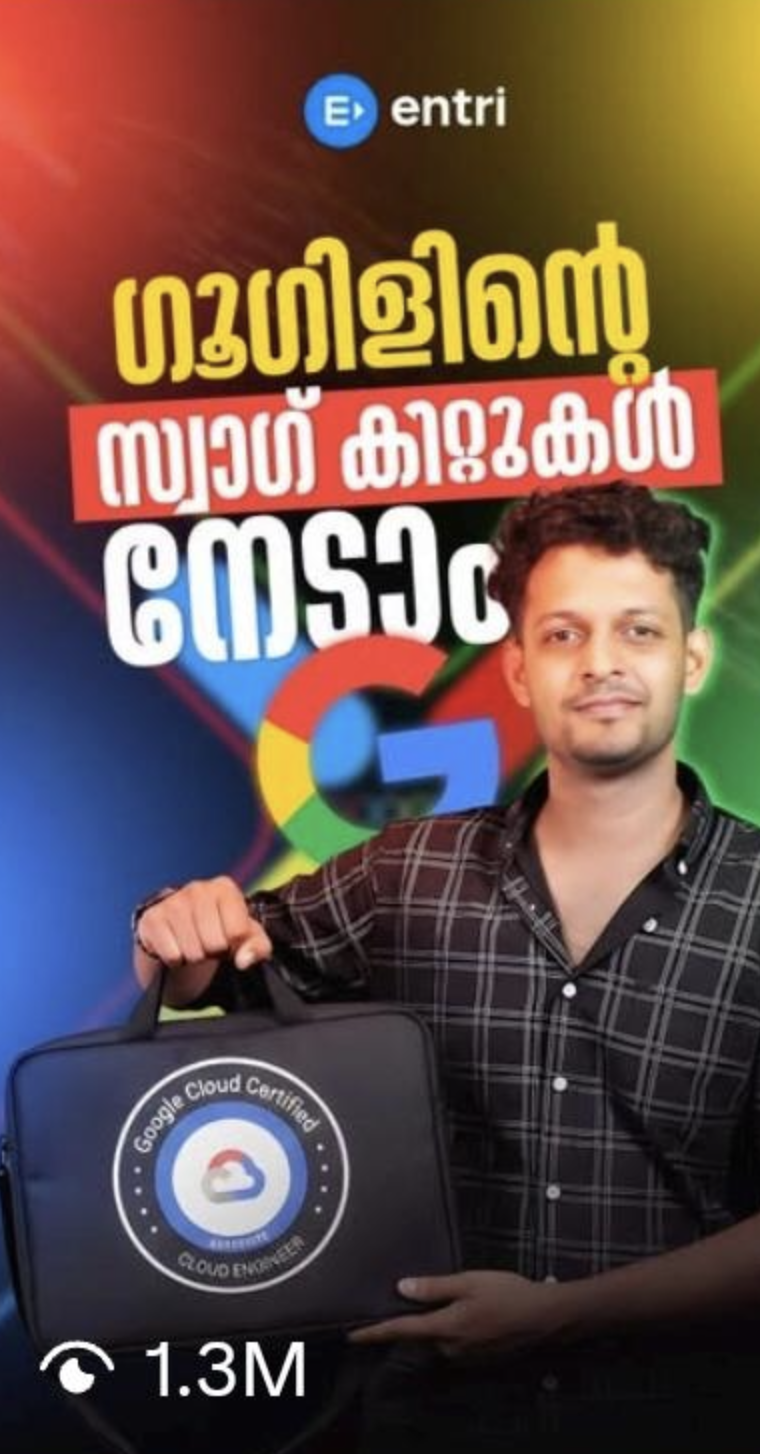
FREE is the kind of keyword I would normally say to avoid. One word. Too common. People type it in regular conversation without meaning anything by it.
But here it was different. Every single person watching that reel was watching because they wanted the free kit. FREE was not a word they might casually type. It was the reason they showed up.
I was checking the comment count sometime that afternoon and just stopped.
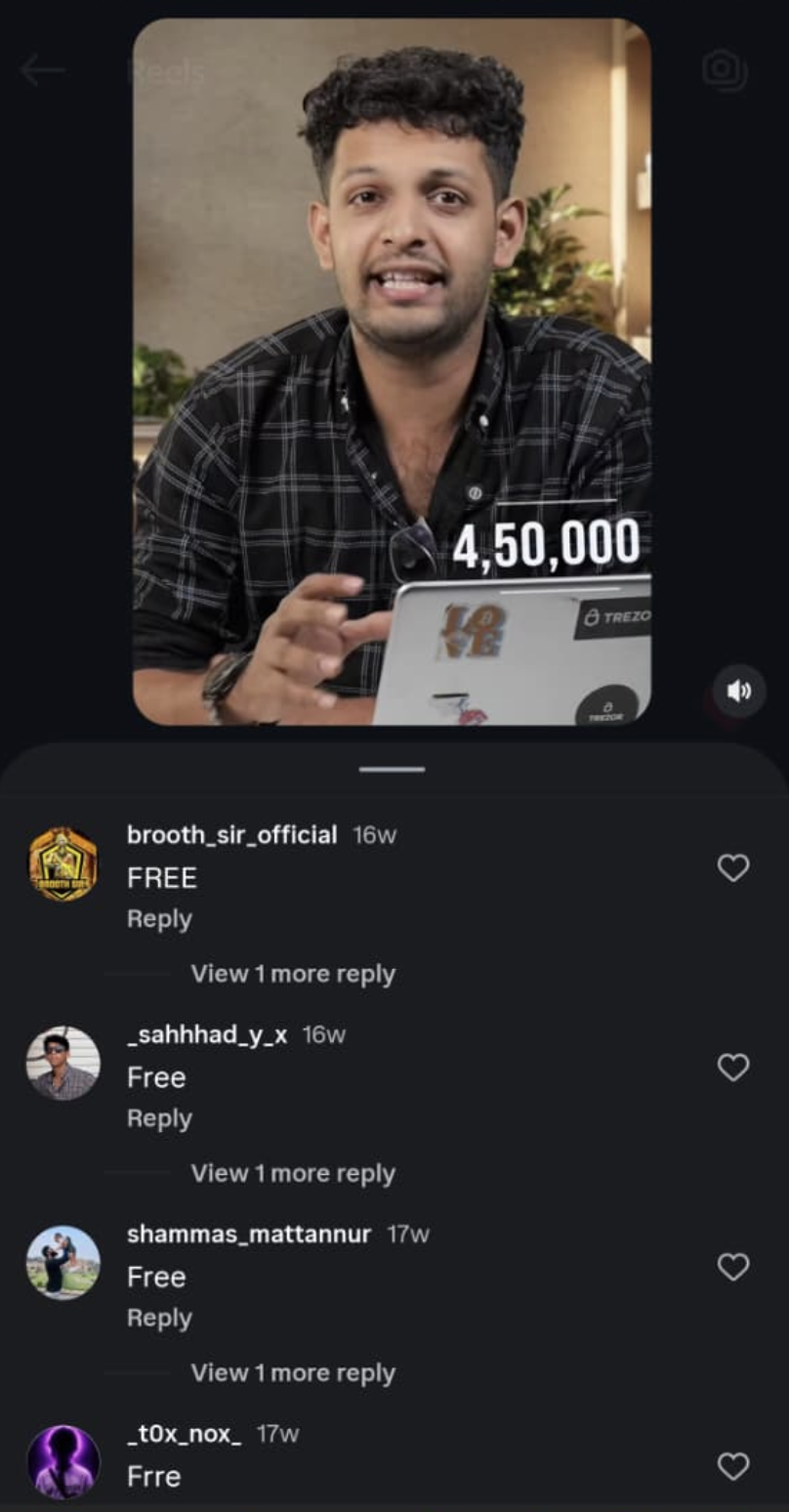
FREE. Free. free. One person typed Frre. Got the DM anyway — ManyChat is forgiving with typos that are close enough.
The comments would not stop.
Then I checked the stats the next morning.
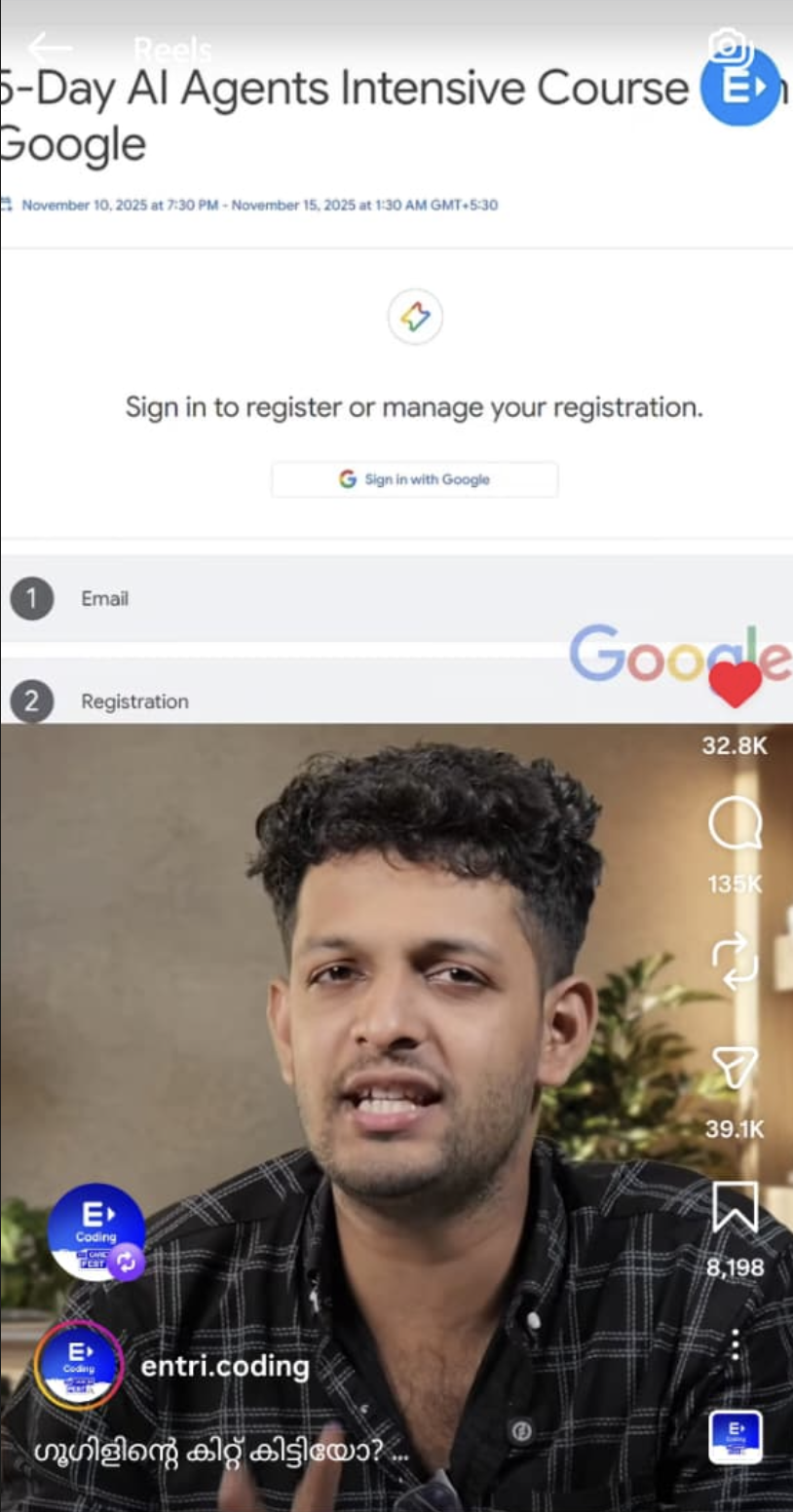
135,000 comments. 32,800 likes. 39,100 shares. 8,198 saves.
We picked up 20,000 followers that week.
ManyChat sent every one of those DMs — the giveaway details, the registration link — without a single one going out late. Nobody on the team touched the comment section. Nobody manually replied to anything. The only job left was the inbox, and that is where we made our biggest mistake.
I want to be clear about something. The reel going that big was not the automation. That was the content. The automation’s only job was to not fall apart under that volume and to reach each person before they scrolled away. It did that.
What we got wrong
Back to the content calendar reel.
PLAN was the wrong keyword.
Someone commented “this is literally the plan I needed, thank you” and the automation fired. They got a DM with our content calendar template in response to what was just a compliment. They replied asking what the message was about.
We apologised. Explained. They were fine.
But it sat with me. Because I do not know how many other comments we hit that I never even noticed. Someone having a perfectly normal conversation in the comment section, getting an automated DM mid-thought. We would never know who those people were.
We moved to a two-word phrase after that. The false triggers stopped.
The DM sequence was also wrong, but for a different reason.
On the second post we ran three messages in a row. First one delivered the resource. Second asked if they got it. Third offered something else.
Most people did not get past the first.
When I looked at the drop-off I understood why. Three messages from a page you just found does not feel like getting something useful. It feels like being subscribed to something. We cut it to one message, one link. The people who responded after that were people who actually wanted more.
The inbox situation
Back to that Monday morning.
About a third of the people who opened the DM replied. Questions about the template. Questions about the setup. A few asking if we did any consulting work.
They all needed a human response.
We had not assigned anyone to watch the inbox over the weekend. By Monday there were 60-plus open threads. Some still active. A few had gone quiet.
I do not know what we lost. That is the honest answer. I have no idea how many of those conversations would have turned into something if someone had been there on Saturday. That still bothers me more than any number in the dashboard.
What is different now
We still use it. The open rates alone make the setup worth it, and the Google reel settled any doubt about whether it could handle real volume.
What changed is one thing. Someone is assigned to the inbox on the day a comment automation post goes live. Morning check. Evening check. Two days after. Most of what comes in is easy. A few threads every time are worth being present for.
The tool does the volume. The conversation is still ours to have.